Custom Home Design-Build in Chuluota: 2026 Code Guide
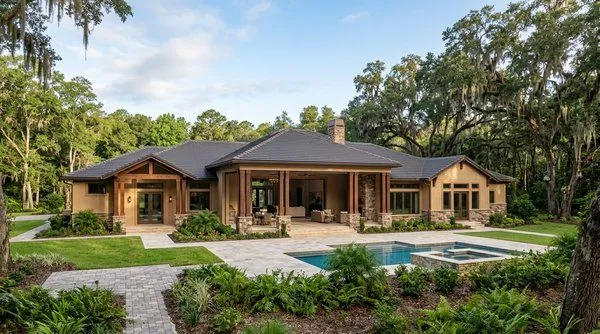
Building a custom home in Chuluota right now means navigating two major regulatory shifts at once. The good news: a custom home design-build in Chuluota approach is the most effective way to stay ahead of both.
Bressler Custom Homes And Design LLC has been helping homeowners in the area turn complex land and ambitious visions into finished, code-compliant homes. This post breaks down exactly what the 2026 regulatory landscape means for you, and how a fully integrated design-build process shields your project from costly delays and surprises.
Two Regulatory Deadlines Hitting in the Same Year
Most custom home buyers are not aware that 2026 brings two separate, major changes to Florida's construction framework. Both landed within months of each other. Both carry real consequences if your builder and designer are not coordinating from day one.
Here is a quick summary of what took effect this year:
- House Bill 803 (effective July 1, 2026): A landmark overhaul of Florida's permitting system. It imposes strict, mandatory review deadlines on local building departments and creates "deemed-approved" rules when departments exceed those windows. Certain non-structural, single-family projects valued under $7,500 are now permit-exempt (structural, electrical, plumbing, and flood-zone work remain fully regulated).
- 9th Edition Florida Building Code (enforceable December 31, 2026): The most comprehensive update in years. It raises wind load requirements, tightens water intrusion standards, mandates higher insulation R-values, requires more precise HVAC load calculations, and includes solar-ready provisions such as pre-wiring for future photovoltaic panels.
Together, these two changes create a tight window for anyone starting a custom build in Chuluota right now.
Why a Unified Team Matters More Than Ever Under HB 803
The core idea behind HB 803 is speed and accountability. Building departments across Florida now face real deadlines. That sounds great for homeowners, but it creates a hidden trap.
If your architectural plans are not perfectly coordinated with your engineering and structural documents, your project will trigger review comments. Every comment restarts the clock. A disjointed team — where your architect and your builder are separate companies working from separate assumptions — is far more likely to produce incomplete or conflicting submittals.
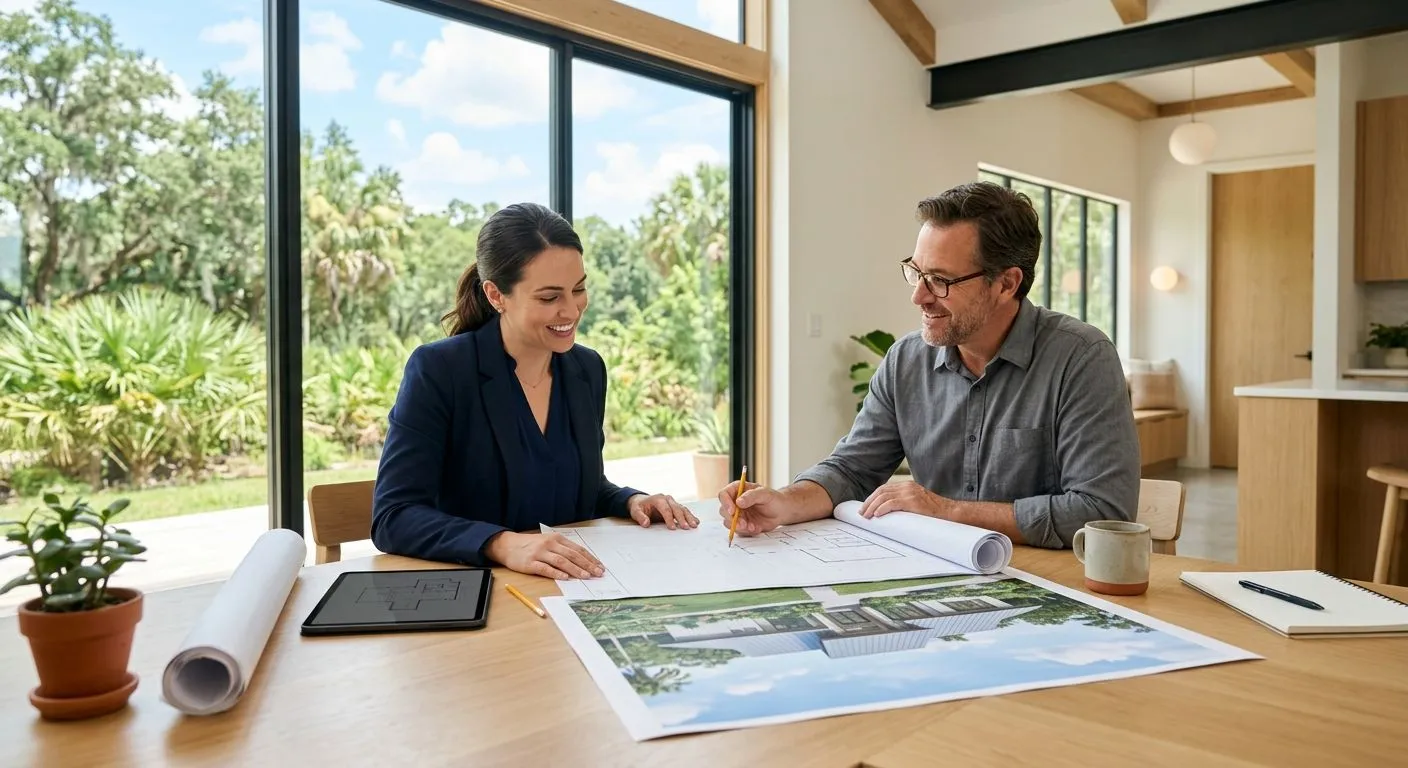
A design-build team eliminates that friction. When the people drawing the plans and the people pulling the permits are on the same team, submittals go in complete. Review cycles are shorter. And clients can actually take advantage of the expedited timelines HB 803 was designed to create.
Designing for the 9th Edition Before the Deadline
The 9th Edition code becomes enforceable on December 31, 2026. Any project permitted before that date must comply with the prior edition. Any project permitted on or after that date must meet the new standards.
For a custom home starting design today, the timeline is tight. You may be designing under one code and building under another.
A design-build firm navigates this by engineering every system to meet or exceed the incoming 2026 mandates from the start. That means selecting impact-resistant windows and specifying reinforced roofing assemblies. It also means ensuring insulation packages hit the new R-value thresholds before a single product is purchased. Roughing in the electrical infrastructure for solar-ready compliance is included, even if panels are not part of the initial build.
Getting ahead of the code is not just about compliance. It protects resale value and reduces the risk of expensive retrofit work down the road.
Warm Minimalism and the Build Complexity Behind It
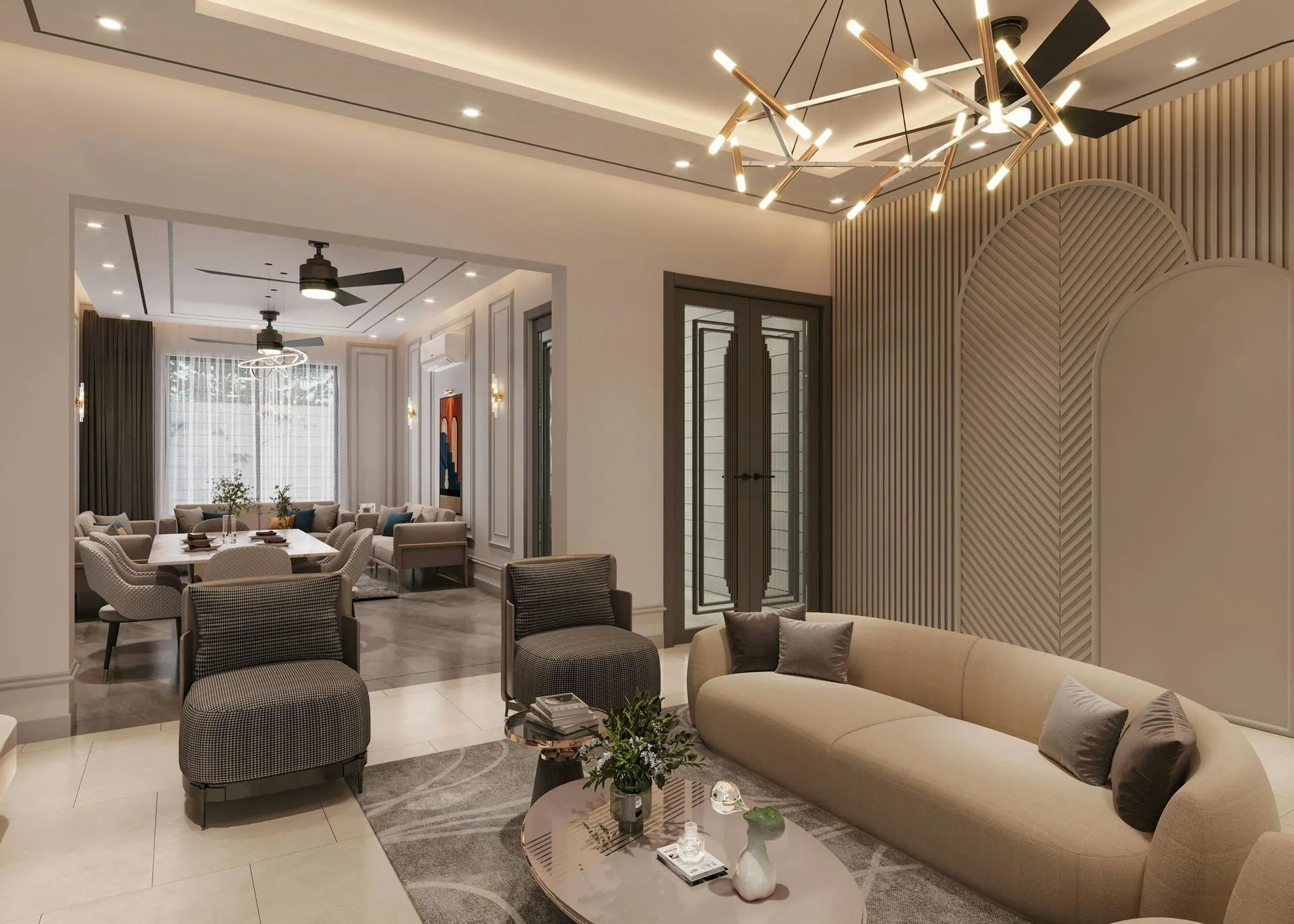
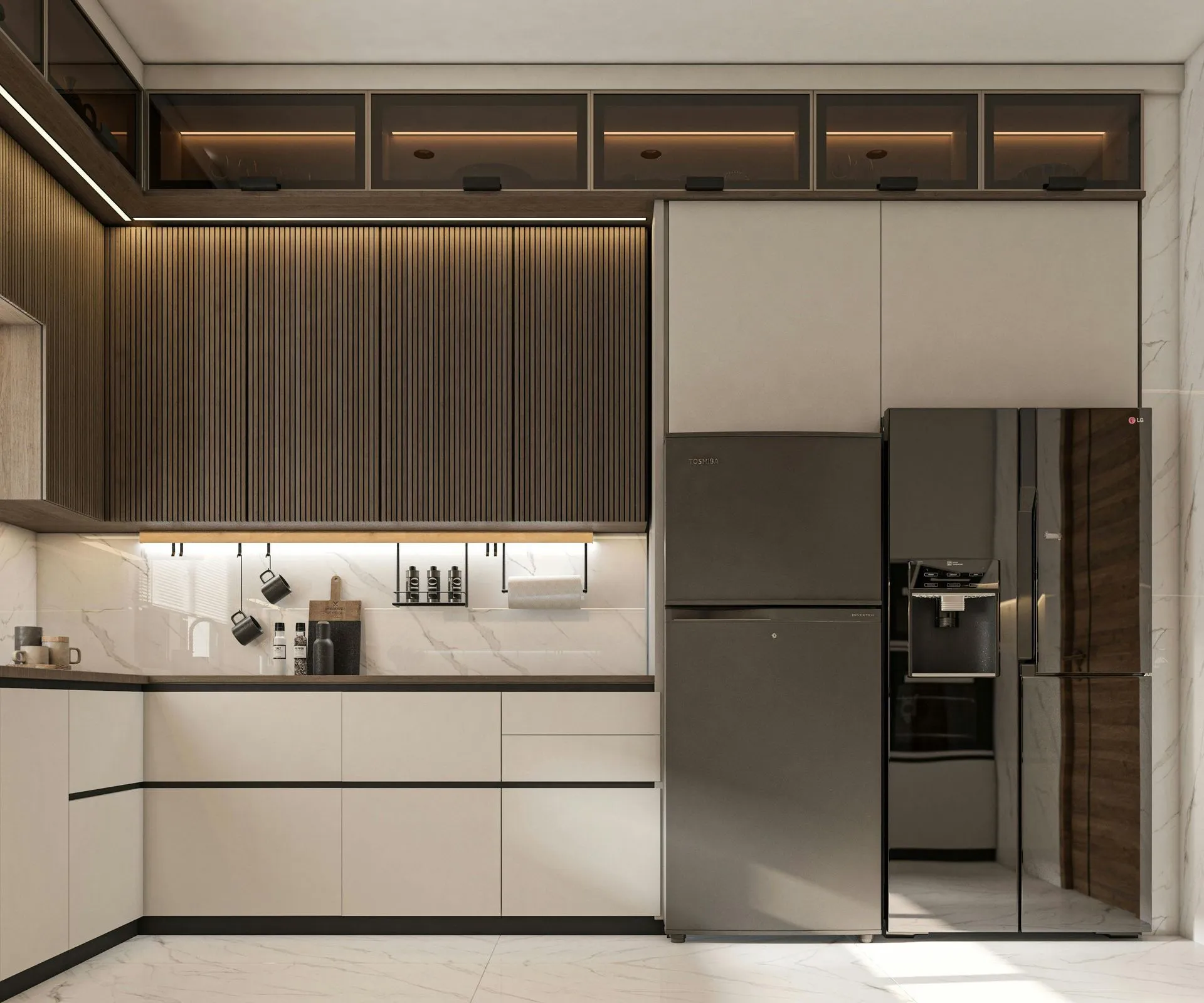
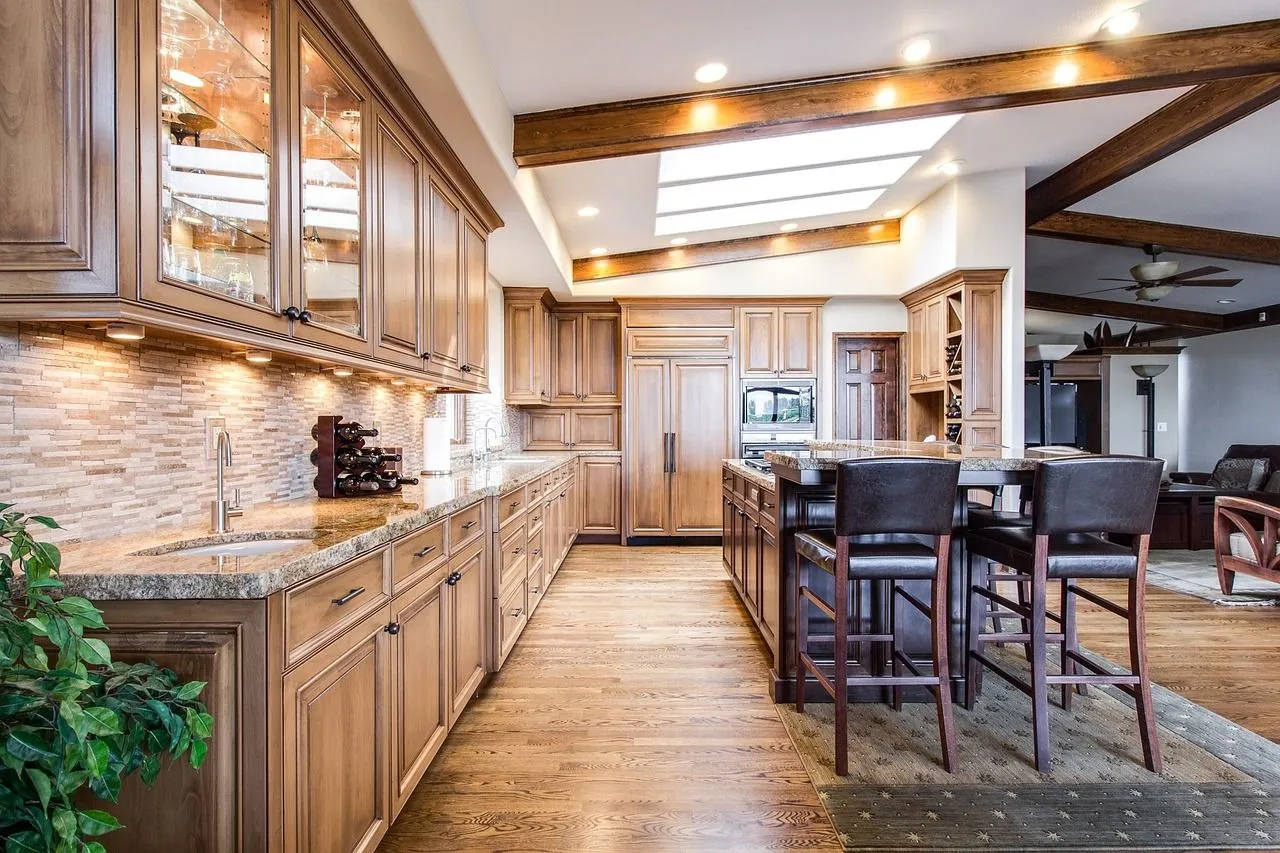
On the design side, 2026 custom home trends in the Chuluota area have moved firmly toward what the industry is calling "Warm Minimalism." Clients are requesting organic, tactile palettes — think soft clay, muted sage, creamy beige, and rich ocher tones — paired with natural stone surfaces and heavily grained woods.
This aesthetic looks effortless. It is not. Custom carpentry profiles, specialty stonework, and curated texture layering all require advance planning. Finishes added late in construction often look forced. They can also create budget overruns that are difficult to recover from.
The design-build model integrates these selections at the planning stage. Materials are sourced, budgeted, and sequenced during design. By the time construction begins, the craftwork is already engineered into the scope.
Indoor-Outdoor Living in Chuluota's September Climate
September in Chuluota brings late-season heat and regular afternoon rain. It also reinforces why outdoor living structures matter so much here. Covered outdoor kitchens, resort-style pool enclosures, and retractable glass wall systems are among the most-requested features in 2026 custom builds across the area.
These are not simple additions. Structural support for large pocketing sliding doors requires specific beam engineering. An outdoor kitchen needs plumbing that ties into the home's interior systems without creating pressure issues. A covered lanai in a wind-load zone needs a roof design that meets the 9th Edition standards.
A design-build firm handles all of that in one coordinated plan. There is no gap between what the architect drew and what the builder can actually construct.
FAQs
What is the design-build process and how does it differ from hiring an architect and builder separately?
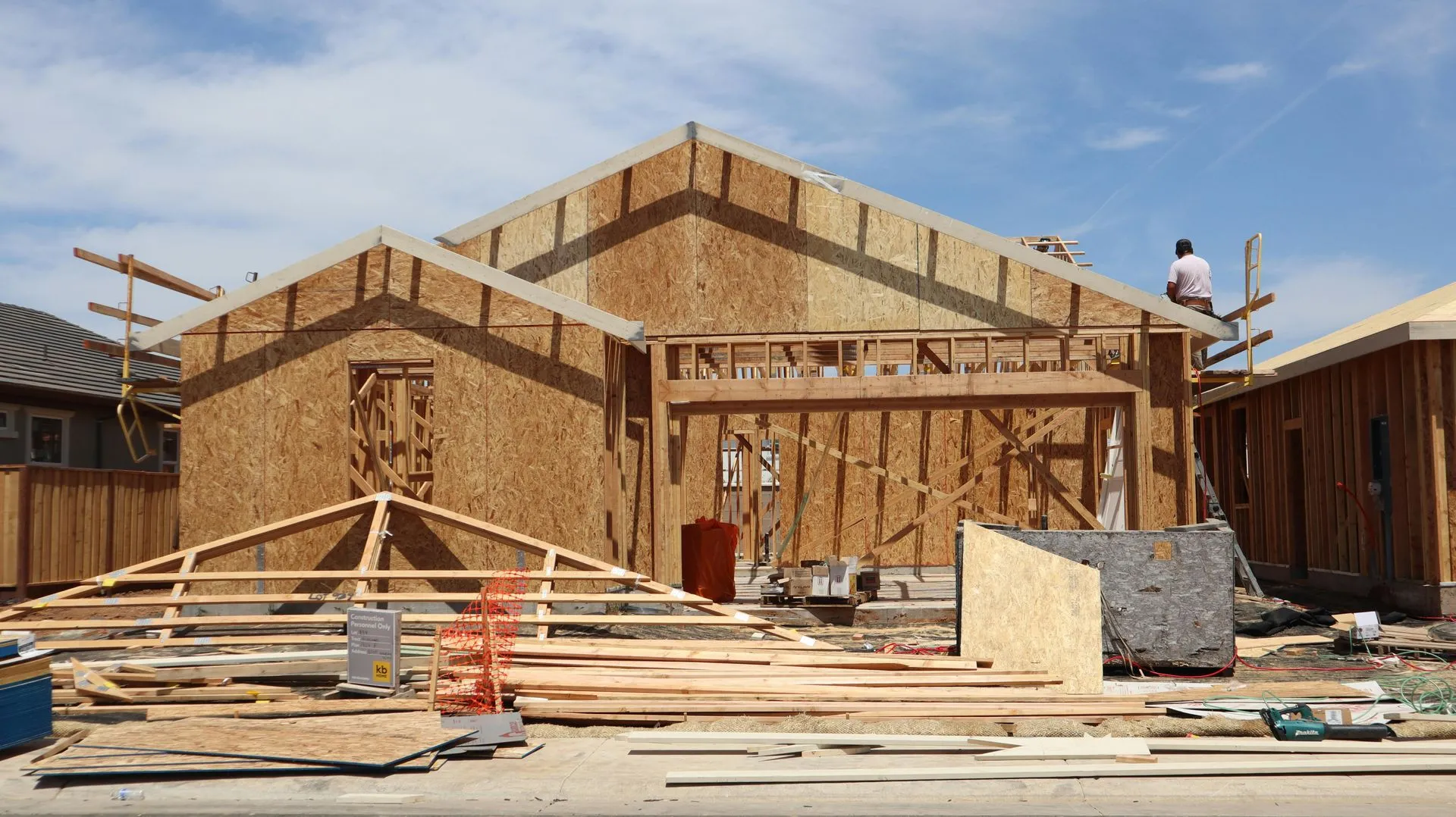
In a design-build arrangement, one firm manages both the design and construction phases under a single contract. With separate teams, coordination gaps are common. Communication breakdowns can create costly delays or plan conflicts.
How does HB 803 affect my custom home timeline in Chuluota?
HB 803 sets mandatory review deadlines for building departments and creates "deemed-approved" outcomes when those deadlines are missed. A well-coordinated design-build team can take full advantage of these timelines by submitting complete, accurate permit packages from the start.
Does the 9th Edition Florida Building Code affect homes permitted before December 31, 2026?
Homes permitted under the current edition are grandfathered into those standards. However, designing to meet the new 9th Edition requirements from the beginning is strongly recommended for long-term code compliance and resale value.
What does "solar-ready" mean under the 2026 building code update?
Solar-ready provisions require builders to rough-in specific electrical infrastructure, such as conduit pathways and panel capacity, so that photovoltaic panels can be added in the future without major retrofits.
Are permits still required for all custom home work in Florida after HB 803?
HB 803 exempts certain non-structural, single-family projects valued under $7,500 from permit requirements. However, all structural, plumbing, electrical, and flood-zone work still requires a permit regardless of value.
Yes. The design-build process and its advantages apply equally to custom home projects across the Central Florida region, including Orlando and Windermere.
The regulatory landscape in Chuluota is genuinely complex right now. Two major code deadlines, evolving design expectations, and tight permitting windows make choosing the right team one of the most important decisions you will make.
Contact Bressler Custom Homes And Design LLC to start your design-build conversation today.
Share Article
Our Recent Blogs